By Randy Dyer
October 23, 2026
Maintaining a healthy, attractive landscape requires more than selecting plants and keeping the lawn trimmed. Proper watering plays an important role in supporting grass, trees, shrubs, and garden beds throughout changing weather conditions. However, managing outdoor irrigation can be challenging when different plants have varying moisture requirements, soil conditions affect water absorption, and seasonal temperatures influence evaporation. An irrigation system can help distribute water more consistently while reducing the need for manual watering. Experienced landscape contractors can assist property owners with planning, installing, maintaining, and improving irrigation systems that support their outdoor spaces. Understanding how professional landscaping expertise contributes to irrigation management can help homeowners make informed decisions about water usage, landscape health, and long-term property maintenance.
1. Evaluating Your Property's Irrigation Needs
Before installing an irrigation system, it is important to understand the property's existing conditions. Factors such as lawn size, soil composition, sunlight exposure, slopes, and plant varieties can influence how water should be distributed. Areas receiving direct sunlight may dry out faster than shaded sections, while compacted soil can limit water absorption. Identifying these differences helps establish an irrigation plan that addresses the landscape's specific requirements rather than applying the same amount of water everywhere.
Professional landscape contractors can assess these conditions and identify areas that may require additional attention. They may examine drainage patterns, existing vegetation, and available water sources to determine appropriate irrigation options. Evaluating the property before installation can also reveal potential obstacles, including underground utilities, hardscaping, and uneven terrain. This preliminary assessment helps create a practical foundation for designing a system that supports plant health while considering water conservation and property accessibility.
2. Designing an Efficient Irrigation System
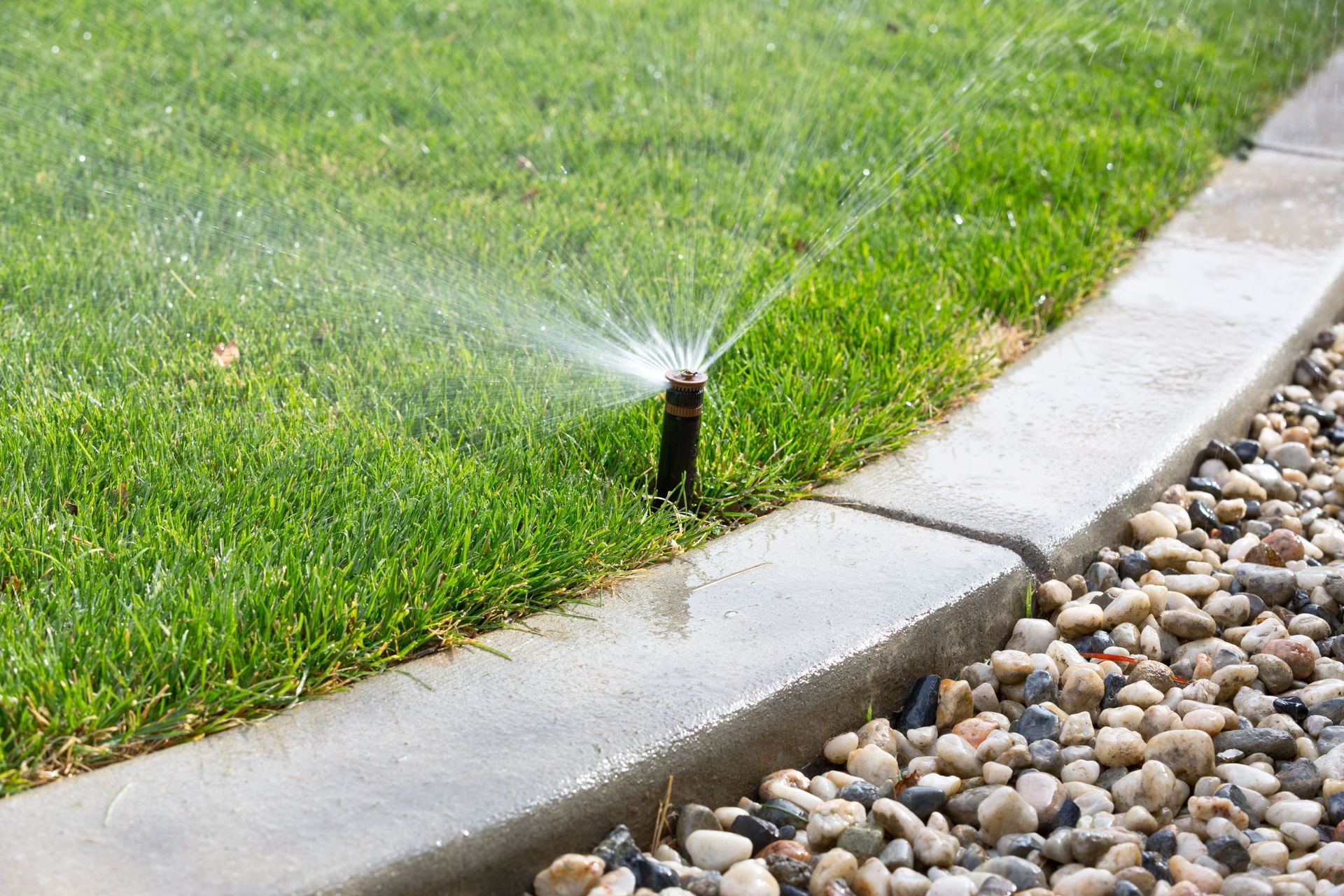
An effective irrigation system should distribute water according to the needs of different landscape areas. Lawns, flower beds, shrubs, and trees often require different watering methods and schedules. Sprinkler systems may work well for broad grassy areas, while drip irrigation can deliver moisture closer to the roots of individual plants. Combining appropriate irrigation methods helps reduce unnecessary water application and supports more consistent coverage throughout the property.
Experienced landscape contractors can develop irrigation layouts that account for water pressure, available flow, sprinkler placement, and landscape features. Proper spacing helps prevent excessive overlap or dry spots that may affect plant growth. Designers may also divide the property into separate irrigation zones so different areas receive appropriate watering. Thoughtful planning can improve system performance and make future adjustments easier as landscaping changes or additional planting areas are introduced.
3. Selecting Appropriate Irrigation Equipment
Irrigation systems contain several components that work together to deliver water throughout a landscape. Common equipment includes sprinkler heads, valves, underground piping, controllers, and drip irrigation lines. Each component serves a particular purpose, and selecting suitable products can influence system performance. For example, different sprinkler heads produce varying spray patterns and coverage distances, making equipment selection important for achieving even watering across lawns and planting areas.
Property owners should also consider equipment durability, maintenance requirements, and compatibility with existing water supplies. Pressure-regulating devices may help manage water delivery, while rain sensors can prevent unnecessary operation during certain weather conditions. Backflow prevention equipment may be required to protect the drinking water supply. Choosing appropriate components helps establish a dependable irrigation system that can be maintained and adjusted as outdoor conditions change.
4. Installing Irrigation Components Correctly
Proper installation is essential for ensuring that an irrigation system functions as intended. Underground pipes must be positioned carefully to reduce the likelihood of damage and support consistent water distribution. Sprinkler heads should be installed at appropriate heights and locations to avoid unnecessary watering of sidewalks, driveways, or building surfaces. Incorrect placement can create uneven coverage, wasted water, and maintenance problems that become more noticeable over time.
Qualified landscape contractors can coordinate installation activities while considering existing landscaping, underground utilities, and local requirements. The process may involve trenching, connecting irrigation lines, positioning valves, and configuring controllers. Installers should also test the completed system for leaks, proper pressure, and consistent operation. Careful installation helps minimize disruptions to surrounding landscaping and provides a reliable starting point for ongoing irrigation management.
5. Managing Water Consumption Effectively
Water conservation is an important consideration when planning outdoor irrigation. Excessive watering can contribute to runoff, oversaturated soil, and unnecessary utility expenses. Insufficient watering, however, may leave lawns and plants vulnerable to stress during hot or dry conditions. According to Mordor Intelligence, in drought-prone regions, outdoor irrigation makes up approximately 50% to 70% of a household's total water usage. This statistic highlights the importance of evaluating how irrigation practices influence overall household water usage.
Professional landscape contractors can recommend watering strategies that account for plant requirements, seasonal conditions, and available irrigation technology. Adjusting watering schedules to avoid periods of excessive evaporation may improve efficiency. Rain sensors, soil moisture sensors, and weather-responsive controllers can also help reduce unnecessary irrigation. Property owners should follow applicable local watering restrictions and periodically review system settings. Responsible water management supports healthy landscaping while helping households avoid preventable waste.
6. Maintaining Irrigation Systems Throughout the Year
Even properly installed irrigation systems require periodic maintenance to remain effective. Sprinkler heads may become clogged with debris, underground pipes can develop leaks, and changing landscape conditions may interfere with water distribution. Grass growth, shifting soil, and nearby plantings can also affect sprinkler coverage. Without regular inspections, minor problems may lead to uneven watering, increased water consumption, or damage to surrounding landscaping.
Routine maintenance may include checking sprinkler patterns, inspecting valves, cleaning nozzles, and testing controller settings. Seasonal adjustments are also important because watering needs change with temperature, rainfall, and plant growth. In regions experiencing freezing temperatures, irrigation systems may require winterization to protect pipes and equipment. Addressing maintenance concerns promptly can help extend equipment life and reduce the likelihood of more extensive repairs.
7. Identifying and Repairing Irrigation Problems
Irrigation problems are not always immediately noticeable. Some systems continue operating despite hidden leaks, reduced pressure, or malfunctioning components. Homeowners may first recognize problems through unusually wet patches, dry sections of grass, pooling water, or unexpected increases in water bills. These warning signs can indicate that the irrigation system is no longer distributing water correctly. Identifying the underlying cause is important before attempting repairs.
Experienced landscape contractors can help evaluate irrigation performance and identify components that may require attention. Repairs might involve replacing damaged sprinkler heads, correcting leaking connections, adjusting valves, or addressing controller malfunctions. In some situations, changes to the landscape may require modifications to existing irrigation zones. Timely repairs help restore appropriate water distribution and prevent small equipment problems from affecting larger portions of the property.
8. Adapting Irrigation Systems to Landscape Changes
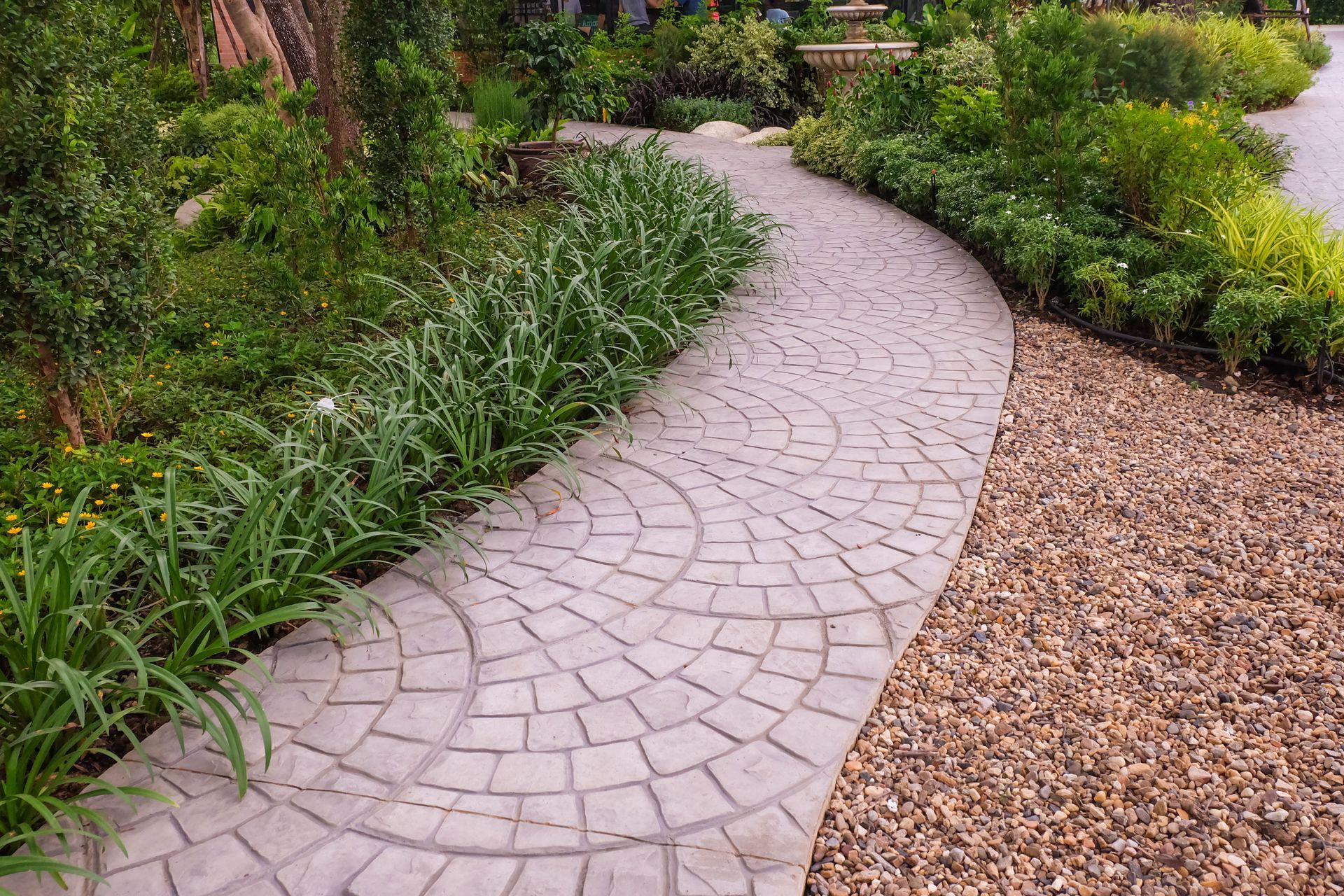
Landscapes naturally change as plants mature, trees grow, and property owners introduce new outdoor features. A sprinkler system designed for a newly planted yard may not provide the same coverage several years later. Expanding tree canopies can create additional shade, while growing shrubs may block sprinkler spray patterns. New patios, garden beds, or walkways can also change where irrigation equipment is needed.
Reviewing irrigation coverage after significant landscaping changes helps ensure the system continues meeting the property's needs. Adjustments may include relocating sprinkler heads, adding drip irrigation lines, modifying watering zones, or updating controller schedules. Property owners planning major outdoor improvements should consider irrigation requirements during the design process. Coordinating these changes can reduce unnecessary installation work and help maintain consistent watering as the landscape develops.
Outdoor irrigation systems play an important role in maintaining healthy lawns, attractive planting areas, and functional landscapes. From evaluating property conditions and selecting equipment to installing components and managing water consumption, professional guidance can help homeowners make informed irrigation decisions. Regular maintenance, timely repairs, and adjustments for changing landscape conditions also contribute to long-term system performance. Because every property has different soil conditions, plant varieties, and watering requirements, an irrigation approach should reflect its specific characteristics. Working with experienced landscape contractors can help property owners develop practical solutions that support landscape health and responsible water usage. If you are considering improvements to your outdoor irrigation system or need assistance planning your landscaping project, contact Bighorn Landscape Borders today.