By Randy Dyer
September 25, 2026
Before embarking on a landscape renovation, a thorough site assessment is essential. A professional landscape contractor starts by understanding the unique environmental factors that influence your property's potential. This includes assessing the microclimate, sun exposure, and prevailing wind patterns across the yard. Such environmental analysis helps in determining the right plants and materials to use, ensuring that new installations thrive. Evaluating these factors sets the groundwork for a cohesive and sustainable design.
1. Cataloging Existing Flora and Structures
Surveying existing flora and structures provides a clear picture of the landscape's current state. This step involves cataloging existing plant species, assessing their health, and determining which can be retained or replaced. Evaluating structures like patios, decks, and fences highlights elements requiring updates or integration into the new layout. Partnering with a skilled landscape contractor allows you to craft a customized design that reflects your vision while setting realistic project timelines and budgets.
2. Selecting Climate-Resilient Hardscape Materials
Hardscape elements form the backbone of any outdoor design, offering both function and aesthetic appeal. Selecting durable materials involves considering factors such as climate resilience and style preferences. Incorporating natural stone, concrete, or composite materials creates hardscapes that complement the property's overall architectural look. Choosing the right materials ensures lasting patios, walkways, and features that endure heavy weather exposure. This meticulous selection establishes a balanced blend of natural elements and human engineering.
3. Installing Functional Patios and Walkways
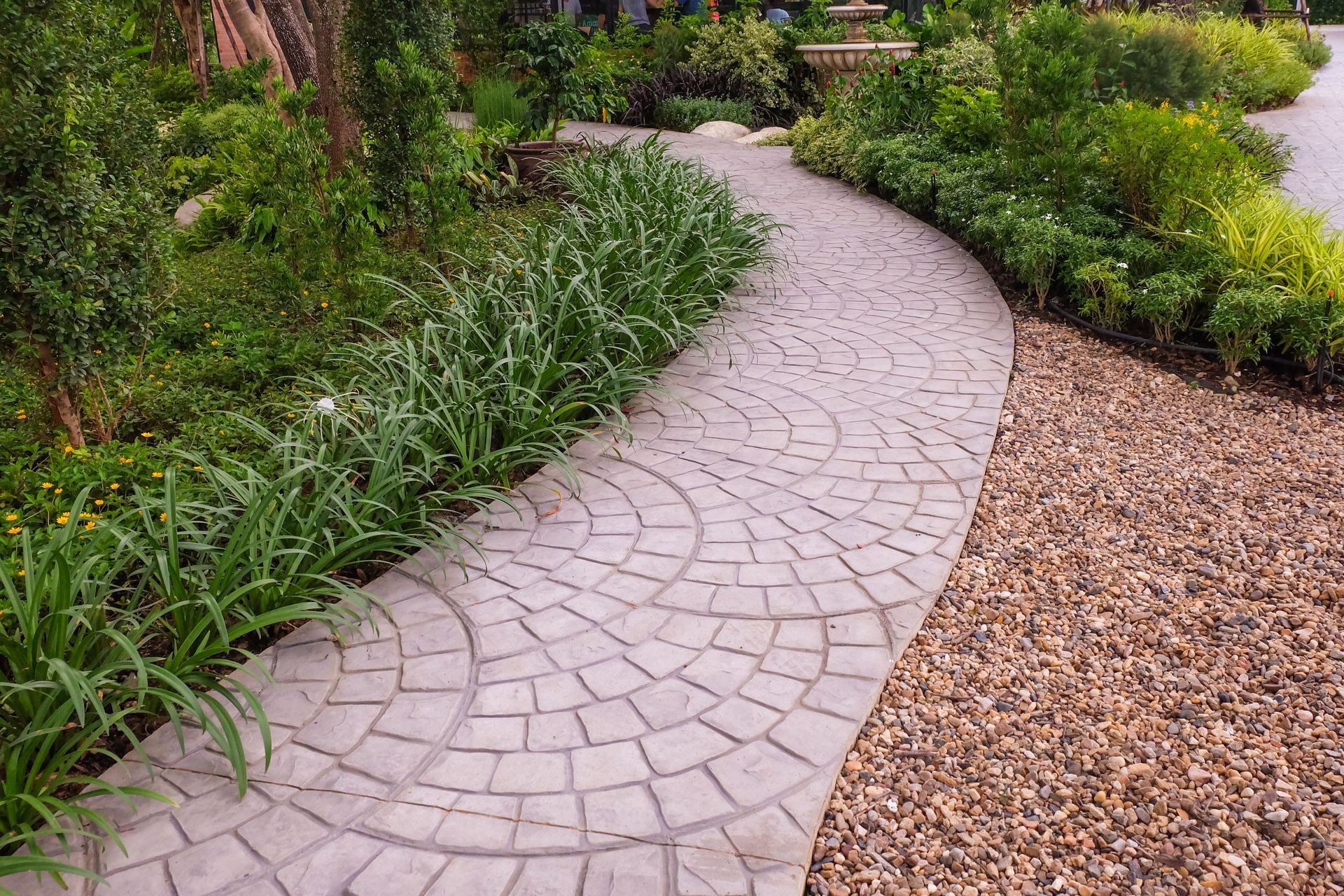
Implementing functional patios and walkways adds utility and visual allure to outdoor spaces. A well-designed patio provides a venue for relaxation and entertainment, while strategically placed walkways guide movement and natural traffic flow. Incorporating intricate patterns and rich textures enhances these hardscapes, adding visual layers that elevate the outdoor experience. Modern features improve overall property usage, turning underutilized yard areas into focal points for daily outdoor living.
4. Constructing Retaining Walls and Water Features
Retaining walls and custom hardscape structures transform a monotonous yard into a dynamic environment. These walls serve multiple purposes, from preventing soil erosion to creating terraced levels for planting or seating. Building structurally sound retaining walls combines structural functionality with rustic beauty. Similarly, incorporating water features or backyard ponds adds a tranquil, inviting aspect to the yard. These aquatic features encourage local biodiversity while amplifying overall property appeal.
5. Integrating Native and Drought-Resistant Flora
Sustainability remains a core tenet of modern landscaping, with an emphasis on reducing environmental impact. A knowledgeable landscape contractor leads the way by utilizing drought-resistant plants that require minimal irrigation. Selecting native species ensures ecological balance and attracts local pollinators like bees and butterflies. This eco-friendly approach conserves precious water resources, lowers maintenance demands, and fosters a self-sustaining outdoor ecosystem.
6. Designing Functional Rain Gardens for Drainage
Implementing rain gardens is a key sustainable practice for enhancing natural stormwater drainage. Rain gardens absorb and filter rainwater, minimizing surface runoff and preventing severe topsoil erosion. Strategically placing these planted basins manages water flow effectively, reducing flood risks and promoting groundwater recharge. Utilizing an experienced landscape contractor ensures that water-loving plants thrive while managing drainage issues beautifully. Establishing composting solutions further supports sustainability by recycling yard waste into rich topsoil.
7. Implementing Aeration and Lawn Mowing Routines
Regular turf care is crucial to preserving the long-term beauty of your property. Establishing a consistent routine for mowing and edging maintains clean lines and healthy grass development. Aerating the soil allows air, water, and essential nutrients to penetrate deep into root zones, promoting stronger root systems. Hiring an expert landscape contractor guarantees that specialized lawn care equipment is used to achieve a lush, vibrant green lawn year-round.
8. Managing Fertilization and Integrated Pest Control
Ensuring proper fertilization and weed control is a cornerstone of professional lawn care. Applying the right nutrients at optimal times nourishes the turf, encouraging sustained root growth and vibrant color. Targeted weed control measures eliminate invasive species without harming desirable grass blades. Furthermore, managing pest prevention involves regular turf inspections and targeted treatments. Adjusting care strategies seasonally adapts the lawn to changing weather demands.
9. Investing in Professional Landscaping Services
With over 70 million households utilizing professional services annually, the global demand for residential landscaping underscores its importance. According to 360 Research Reports, residential landscaping leads global demand with a 65% market share. This statistic highlights the widespread reliance on professional expertise for maintaining and enhancing residential properties. Comprehensive turf care preserves natural beauty while boosting curb appeal and overall market value. Engaging professional maintenance guarantees that your investment receives meticulous attention to thrive.
10. Designing Floral Beds with Native Species
Selecting native and adaptive plant species ensures long-term harmony with local climate and soil conditions. Native plants require fewer chemical fertilizers and less supplemental water, making them an eco-friendly choice. Combining horticultural knowledge with creative design yields floral beds with balanced colors and textures. These artistic arrangements create continuous visual interest while attracting beneficial wildlife to your backyard.
11. Position Trees for Strategic Privacy and Shade
Arranging trees and shrubs is a strategic process aimed at achieving privacy, screening unwanted views, and providing shade. Large trees serve as natural barriers against wind and street noise, while strategically placed shrubs create cozy, intimate patio spaces. Positioning plants correctly prevents resource competition, ensuring optimal access to sunlight and water. Incorporating edible plants like fruit trees, herbs, and vegetables seamlessly blends agricultural utility with ornamental beauty.
12. Creating Year-Round Multi-Seasonal Visual Interest
Selecting plants for their seasonal attributes ensures the yard remains visually appealing through every month of the year. Combining evergreen trees with flowering perennials and autumn foliage creates a dynamic, evolving landscape. Planning for multi-seasonal continuity keeps the garden lively as different species bloom throughout the year. Layering plants of various heights and leaf textures adds sensory depth tailored to your personal aesthetic preferences.
13. Illuminating Pathways with Energy-Efficient Lighting
Lighting transforms outdoor spaces after dark while significantly enhancing safety and home security. Installing ambient fixtures creates a welcoming mood and highlights key architectural or plant features into the evening hours. Utilizing solar and LED fixtures offers an energy-efficient option for illuminating dark garden paths and outdoor living areas. Strategic placement accentuates stone walkways, retaining walls, and mature trees to extend nighttime usability.
14. Securing Steps with Low-Voltage Light Fixtures
Illuminating steps and walking paths reduces trip hazards and guides nighttime movement safely throughout the yard. Installing low-voltage fixtures integrates light seamlessly into the surrounding landscape without creating harsh glare. Adding weather-resistant outdoor furniture complements the lighting, creating inviting spaces for evening relaxation and entertaining. Selecting durable outdoor décor ensures your exterior living areas remain comfortable through every season.
15. Building Complete Outdoor Living Spaces
Designing functional outdoor living areas requires combining architectural features like pergolas, fire pits, and outdoor kitchens. Blending these elements extends interior living spaces seamlessly into the backyard sanctuary. Utilizing a licensed landscape contractor ensures that gas lines, patio pavers, and shade structures are built to local building codes. These structural investments enhance daily outdoor enjoyment while increasing the marketability and value of your home.
Professional landscape services bring creative design and structural expertise to revitalize your entire property. From initial site planning to custom hardscapes and automated irrigation, a comprehensive approach ensures your outdoor space remains beautiful, functional, and sustainable. Investing in quality materials and expert installation enhances curb appeal while enriching your daily outdoor living experience. To elevate your yard with premium concrete borders and custom curbing, contact the experts at Bighorn Landscape Borders.